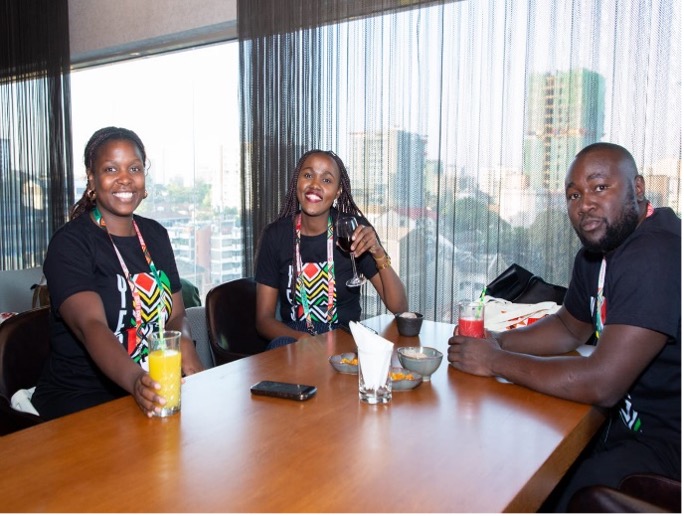
What a powerful way to begin 2026—finding ourselves in spaces we once only dreamed of, this time right at home in Nairobi, Kenya. Attending the Esomar Conference in this context felt profoundly different. It was not merely about participation; it was about witnessing and experiencing the depth, scale, and evolution of market research across the continent. It was a moment of awe—of learning, connecting, and recognizing both how far the industry has come and how much potential still lies ahead.
The conference brought together diverse and multifaceted perspectives, sparking a deeper curiosity in both social and market research. For us, it became increasingly clear how closely these fields align with our individual backgrounds and aspirations. With foundations in psychology, sociology, anthropology, and developmental studies, we are equipped to understand how people think, feel, and behave, while also analyzing social structures, cultural influences, and behavioral patterns. These perspectives enable us to explore motivations, design meaningful research tools, and contribute to unpacking complex social issues such as stigma, attitudes, and cultural beliefs. When combined with our skills in project planning and management, we are well-positioned to contribute meaningfully across all stages of the research process.
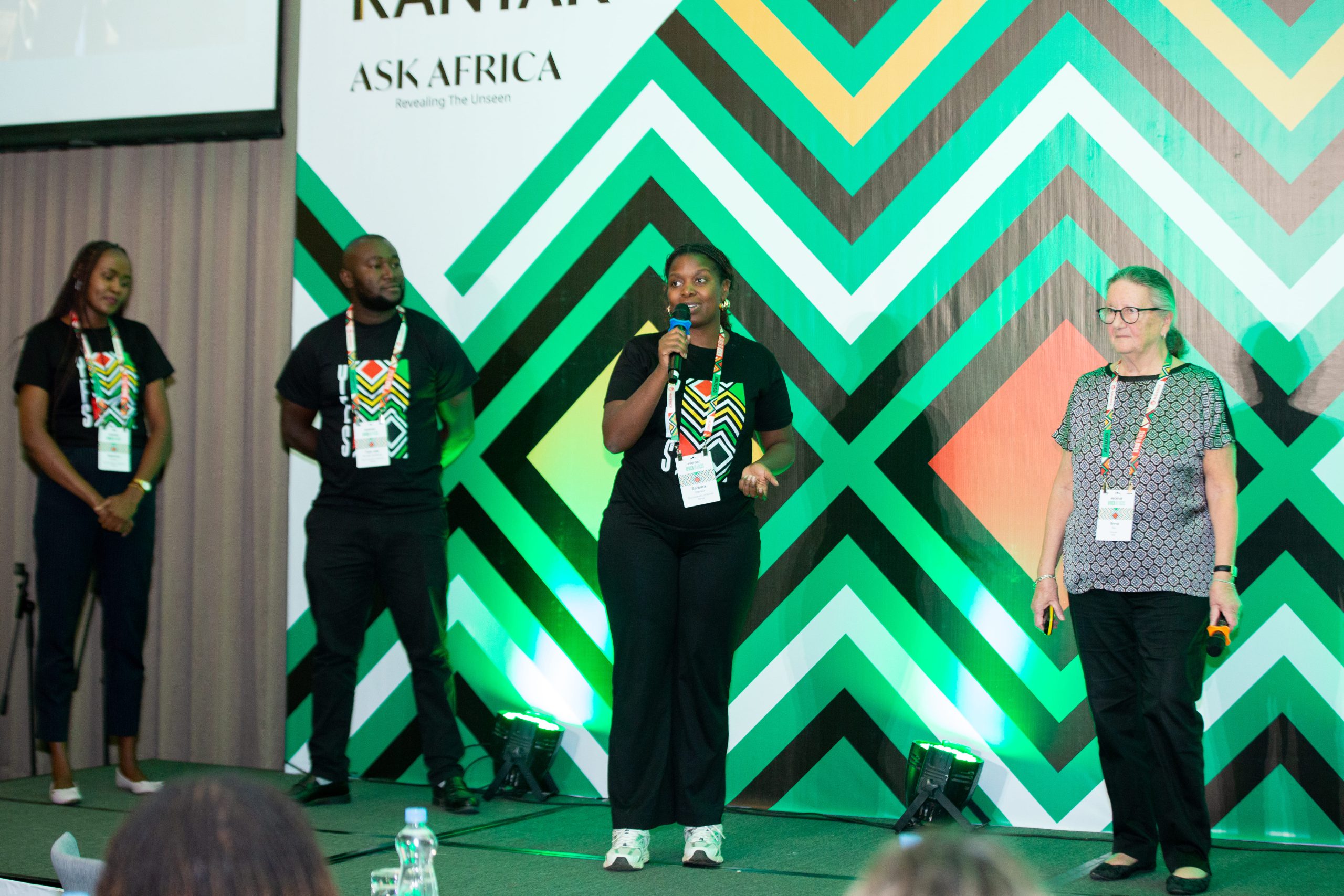 Beyond the academic and professional insights, Esomar stands out as a space that intentionally invests in students, recognizing them as vital to shaping the future of the industry. The Nairobi Congress, with its strong African focus, amplified this commitment. The conversations, networking opportunities, and exposure to professionals across the continent had a profound impact on our personal and professional growth. Engaging with individuals actively shaping the industry offered not only guidance but also a renewed sense of purpose.
What stood out most was the power of proximity—being in spaces with people who are influencing systems and driving change. It reminded us why we began this journey and challenged us to think more critically about the role we can play in the future of market research. As we continue this journey, particularly within this period of sponsorship, we find ourselves reflecting not only on what we have gained, but also on who we are becoming—and the responsibility that comes with it.
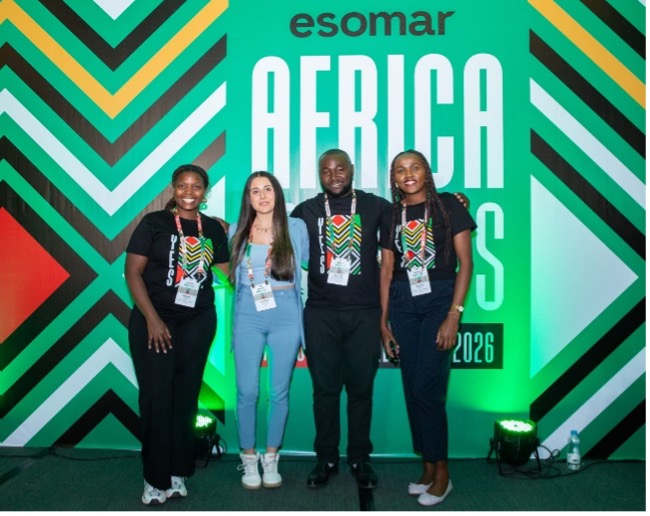
One of the key takeaways was the growing recognition of qualitative inquiry in research. The emphasis on understanding why consumers think and behave the way they do underscored the importance of the social sciences in both social and market research. These approaches offer deeper, more contextual insights into user experiences and meaningfully complement quantitative methods. At the same time, conversations around artificial intelligence reinforced the idea that while AI can enhance efficiency, it cannot replace human creativity and critical thinking.
The opportunity to engage with industry leaders—including meaningful conversations with senior professionals and even the Esomar President—was both inspiring and affirming. It strengthened our belief that we are on the right path, and that our contributions, even at this stage, are both valid and valuable. Equally rewarding was the chance to collaborate with fellow students and ESOMAR staff in contributing to the success of the event.
As we look ahead, we carry with us not only gratitude, but also a renewed commitment to growth, learning, and meaningful contribution. This experience has transformed how we view our careers—not as linear paths, but as dynamic, evolving journeys within the research space.
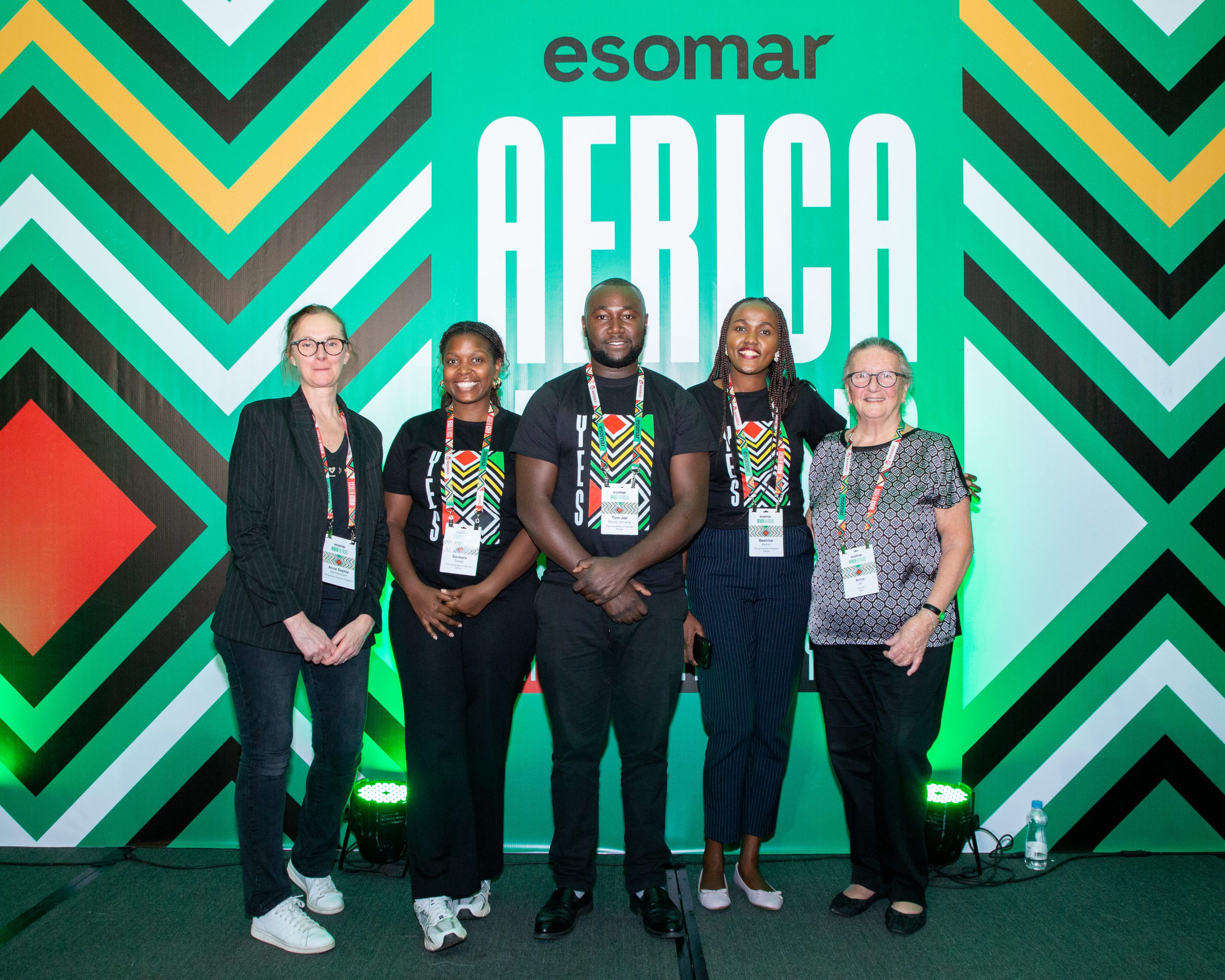 We extend our deepest gratitude to the Esomar Foundation and the broader Esomar community for this opportunity. It has left a lasting imprint on our perspectives, our ambitions, and our sense of responsibility within the field.
Barbara, Joe and Beatrice, Esomar Foundation sponsored students

